Premium Monogram PNG: A Designer’s Real-World Embroidery Review
First Impressions: Clean, Confident, and Craft-Ready
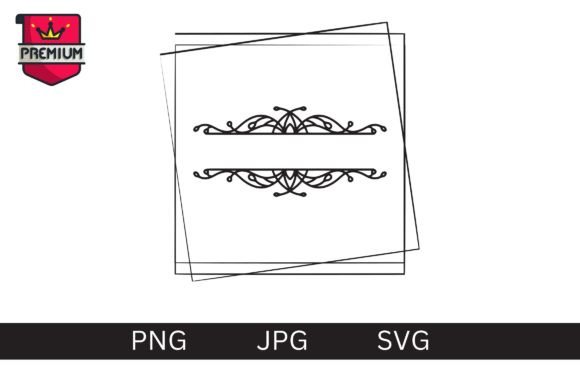
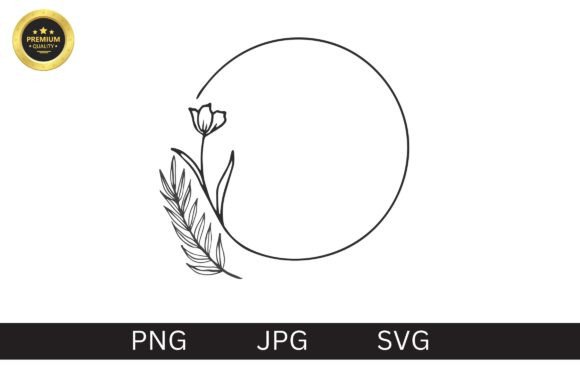
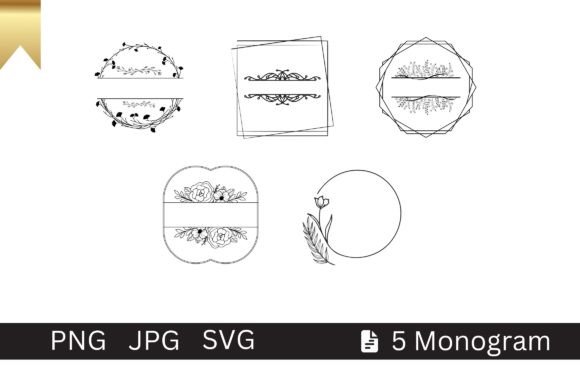
When I opened Premium Monogram PNG, my eye went straight to the balance—no overcrowded flourishes, no awkward spacing between letters, and a subtle rhythm in the curves. It feels quietly elegant, not fussy. As a designer who’s stitched monograms on everything from linen tea towels to newborn onesies, I immediately sensed this wasn’t just another decorative graphic—it had *embroiderability* built in. The clean vector construction (100 shapes, fully resizable) means it won’t pixelate when scaled for a tiny baby cap or blown up for a boutique pillow cover. That matters—because in real embroidery, jagged edges or muddy corners don’t stitch cleanly, no matter how pretty they look on screen.
A Real Project Test: Custom Embroidered Tote Bags for a Local Boutique
Last month, I used Premium Monogram PNG to create personalized canvas totes for a neighborhood gift shop. Their customers love monogrammed items—but they also expect consistency across products. I resized the design to 3.2” wide, converted it to an embroidery file using my digitizing software, and ran test stitches on scrap canvas with medium-weight cutaway stabilizer. What stood out? The letterforms held crispness even at that size—no collapsing of narrow strokes, no stitch pile-up in tight curves. That’s rare in monogram graphics marketed as “universal.” On the finished totes, the satin-stitched outlines looked polished, and the fill areas remained breathable—not dense or stiff. Customers commented on how “smooth” and “hand-finished” the embroidery felt—even though it was machine-stitched.
Where It Shines (and Where to Pause)
Premium Monogram PNG performs exceptionally well for:
- Custom apparel: Sweatshirts, crewnecks, and lightweight denim hold its shape beautifully—especially when paired with a light-to-medium stitch density.
- Baby embroidery: Its open structure avoids heavy fill stitching, making it ideal for delicate onesies and burp cloths where softness is non-negotiable.
- Embroidered patches: The clean vector edges translate smoothly into clean-cut applique designs with sharp satin-stitched borders.
- Holiday and wedding gifts: It reads clearly at small sizes (2–2.5”), so it works on handkerchiefs, napkin corners, or sachets without losing legibility.
- Craft business branding: Because it’s easy to change colors, I’ve used one version in navy thread for men’s aprons and the same layout in blush pink for kitchen towels—keeping visual continuity across product lines.
But here’s where practical judgment kicks in: avoid pushing Premium Monogram PNG onto highly textured fabrics (like bouclé or thick terry cloth) without extra stabilizer testing. Also, while it resizes well, going under 1.8” on stretchy knits can blur detail—especially if your hoop tension isn’t spot-on. And on dark fabric? Always check contrast in your mockup first. A light thread may disappear on charcoal fleece unless you add a subtle underlay or switch to matte thread.
What It Adds to Your Finished Product—Beyond Stitching
This isn’t just about technical execution. Premium Monogram PNG elevates perception. When customers see clean, confident lettering on a handmade product, they read “intentional,” not “generic.” That translates directly to perceived value—whether you’re pricing a $48 embroidered pillow cover on Etsy or bundling monogrammed tea towels for a craft fair booth. For small shop owners, that quiet professionalism builds trust. For Etsy sellers, it helps listings stand out in search results where buyers scroll past cluttered, over-decorated monograms looking for something refined and timeless.
I’ve noticed something subtle but important: because the design doesn’t rely on excessive embellishment, it leaves room for other elements—like a single sprig of embroidered lavender beside the monogram on a nursery pillow, or a minimalist border on a holiday stocking. It supports storytelling, rather than dominating it.
Designer Notes You’ll Actually Use
Before stitching your first Premium Monogram PNG project, try these:
- Test it on scrap fabric matching your final project—especially if using textured, stretchy, or dark materials.
- Check thread color contrast in both black-and-white and color mockups. What looks balanced on screen may vanish on fabric.
- Review stitch density in your embroidery software. If it’s too high for your fabric weight, reduce fill density by 10–15%—you’ll gain drape and durability.
- Confirm hoop size compatibility. Even though the PNG is vector-based, your digitized version must fit within your machine’s working area.
- Inspect corners and inner curves closely in preview mode—look for skipped stitches or thin thread coverage that might snag after washing.
- Use proper stabilizer: cutaway for knits, tear-away for stable wovens, and fusible + cutaway for lightweight linens.
- If selling finished items commercially, verify licensing terms—this is a Graphics product, not pre-digitized embroidery, so your final file and usage rights depend on your digitizing workflow and platform policies.
Final Thought: A Quiet Workhorse for Real Makers
Premium Monogram PNG isn’t flashy—and that’s its strength. In a landscape full of overdesigned, trend-chasing monograms, it offers clarity, flexibility, and quiet confidence. It belongs in the toolkit of embroidery designers who care how things feel when held, not just how they look online. It fits seamlessly into Crafts workflows—from holiday embroidery batches to daily Etsy orders—and supports the kind of handmade product people keep, gift, and photograph. If you’re evaluating it for your next batch of custom apparel, personalized gifts, or boutique merchandise, know this: it’s ready to earn its place—not as decoration, but as part of your brand’s tactile voice.